

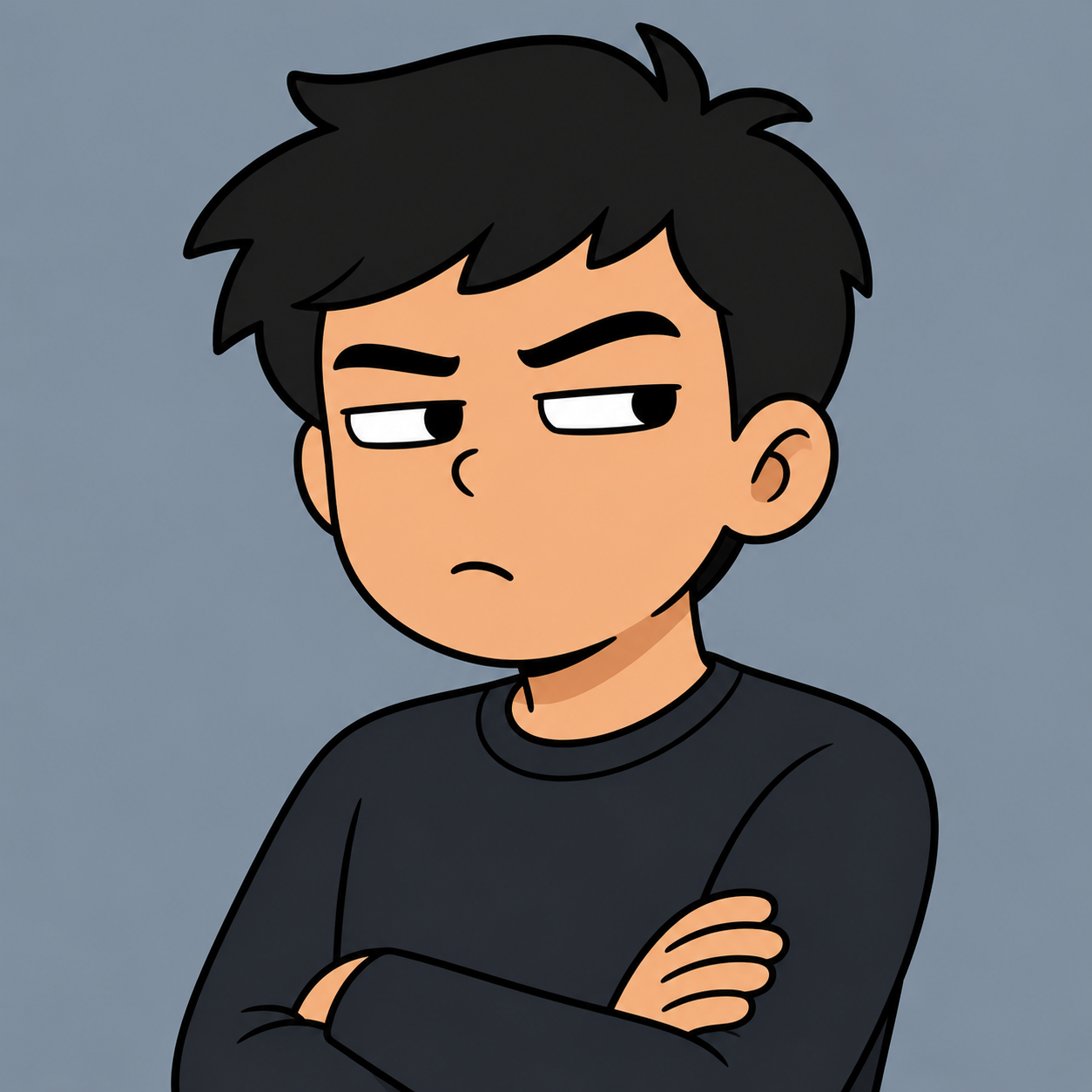
Your friend says they "totally" remembered your birthday and just hadn't gotten around to texting yet, three days after the fact. You don't believe a word of it, but starting an actual argument over a birthday text feels like overkill. Side eye gifs thread that needle exactly: they register the suspicion without escalating into a real confrontation.
Side eye is a specific flavor of skepticism, distinct from an eye roll or a raised eyebrow. Where an eye roll broadcasts dismissal outward, a side eye is quieter and more private, more like a glance shared between two people who both know something's off. That subtlety is what makes side eye gifs so useful for suspicion that doesn't need to be said out loud.
What Side Eye Actually Communicates
A side eye gif isn't quite disbelief, and it isn't quite anger. It sits somewhere in between: "I noticed that, and I have questions, but I'm not going to make a scene about it right now." This makes it one of the more precise reaction gifs available, useful specifically for moments where something feels slightly off but doesn't warrant a full callout.
Because the emotion is subtle, the physical gesture matters a lot. A good side eye gif usually involves a slow, deliberate glance to the side, sometimes with a slight narrowing of the eyes or a barely-there smirk. The restraint is the whole point — an exaggerated, cartoonish version loses the quiet, knowing quality that makes side eye distinct from louder reactions like a full eye roll.
Situations Built for a Side Eye GIF
The Suspiciously Convenient Excuse
Someone cancels plans with a story that doesn't quite hold together, or explains away a mistake with an excuse that conveniently shifts all the blame elsewhere. A side eye gif here says "I hear you, and I'm not fully buying it" without forcing a confrontation about the details.
The Humble-Brag
A post or message that's technically modest in wording but clearly designed to show off — "just got my third offer this month, still can't believe it, feeling so blessed" style posts — is prime side eye territory.  A close up of a dog 's face with its eyes closed and looking at the camera . — view on SoundGIFs captures that specific mix of amusement and mild judgment that a humble-brag deserves, more affectionate than an outright eye roll would be.
The Obvious Deflection
When someone changes the subject a little too quickly after being asked a direct question, a side eye gif silently flags the dodge without demanding they answer. It's a way of saying "I noticed you didn't actually answer that" while leaving room for them to circle back if they want to.
The Too-Good-to-Be-True Story
Someone tells a story that's just slightly too perfect, too dramatic, or too conveniently in their favor. A side eye gif here reads as playful disbelief — "sure, that's exactly how it happened" — without directly accusing them of embellishing.
Playful Suspicion vs Genuine Distrust
It's worth being honest with yourself about which one you're actually feeling before sending a side eye gif. Playful suspicion, the kind you'd feel toward a friend's exaggerated story, is low-stakes and the gif reads as teasing. Genuine distrust, the kind that comes up when someone's actually lied about something that matters, is a different situation entirely, and a gif isn't really the right tool for it. If the suspicion is serious enough that you'd actually want an honest conversation about it, sending a side eye gif instead of addressing it directly can come across as passive-aggressive rather than lighthearted.
A decent rule of thumb: if you'd laugh about the gif with the person later, it was playful suspicion. If sending it would just quietly build resentment instead of resolving anything, it's worth having the actual conversation instead.
Side Eye GIFs vs Eye Roll GIFs
These two often get lumped together, but they carry meaningfully different energy. An eye roll broadcasts a reaction outward, and it usually reads as complete, decided skepticism — the moment has been judged and dismissed. A side eye is more of an open question; it hasn't fully made up its mind yet, it's just noting that something seems off. If you want a fuller breakdown of when a more decisive, dismissive reaction fits better, read about eye roll gifs for sarcastic replies covers that territory in more depth. Side eye works best when you want to flag doubt while still leaving room for an explanation; eye roll works best when you've already decided you're not buying it. And if the doubt tips over into genuine confusion rather than suspicion, it's worth checking browse confused gifs for puzzling messages instead, since not understanding something is a different feeling from not believing it.
Where Side Eye GIFs Work Best
Group chats are a natural home for side eye gifs, especially in ongoing threads where someone's story keeps shifting slightly each time they retell it. They also work well in reply threads on social media, particularly under posts that are clearly fishing for reassurance or attention with a slightly exaggerated claim. In more private one-on-one messages, a side eye gif functions almost like a raised eyebrow emoji brought to life, a quiet "mm-hm, sure" that doesn't need any accompanying text.
Picking a Side Eye GIF That Reads the Way You Intend
Facial Expression Matters More Than the Angle
Because side eye is such a subtle reaction, small differences between clips can shift the tone more than you'd expect. A side eye paired with a slight smile reads as playful, teasing suspicion. The same glance paired with a flatter, more neutral expression can come across as more serious doubt. It's worth actually watching a side eye gif before sending it, rather than assuming the gesture alone carries a fixed meaning, since the expression around it does a lot of the communicating.
Pacing and How Long the Glance Lingers
A quick side eye that snaps back almost immediately feels more like a passing, half-joking thought. A slower side eye gif that lingers a beat longer carries more weight, implying the suspicion is sticking rather than fleeting. Matching the pacing to how strongly you actually feel the doubt keeps the reaction honest rather than overstated.
Side Eye GIFs as a Running Bit
Some friend groups develop a specific side eye gif that becomes their default reaction to a recurring situation, like a friend who always claims they're "five minutes away" when they haven't left the house yet. Once a specific clip becomes attached to a specific running joke, sending it stops needing any explanation at all. The gif itself carries the whole history of the joke, which is part of what makes side eye gifs so satisfying in long-running group chats compared to a fresh reaction picked at random each time.
Introducing a New Side Eye GIF Without Losing the Joke
If you want to switch things up without losing that shorthand, it helps to keep the new gif similar in energy to the one it's replacing rather than swapping in something with a completely different tone. A subtle, knowing side eye should still be replaced with another subtle, knowing one, so the joke's meaning carries over even as the specific clip changes.
Conclusion
Side eye gifs fill a specific gap between full skepticism and no reaction at all: quiet, knowing suspicion that doesn't demand a confrontation. They work best for playful doubt, like a suspiciously convenient excuse or an obvious humble-brag, rather than genuine distrust that actually needs to be addressed directly. Keep the gesture subtle rather than exaggerated to preserve that knowing quality, and head to SoundGIFs to find the side eye gif that matches exactly how much you're not buying whatever you just read.